

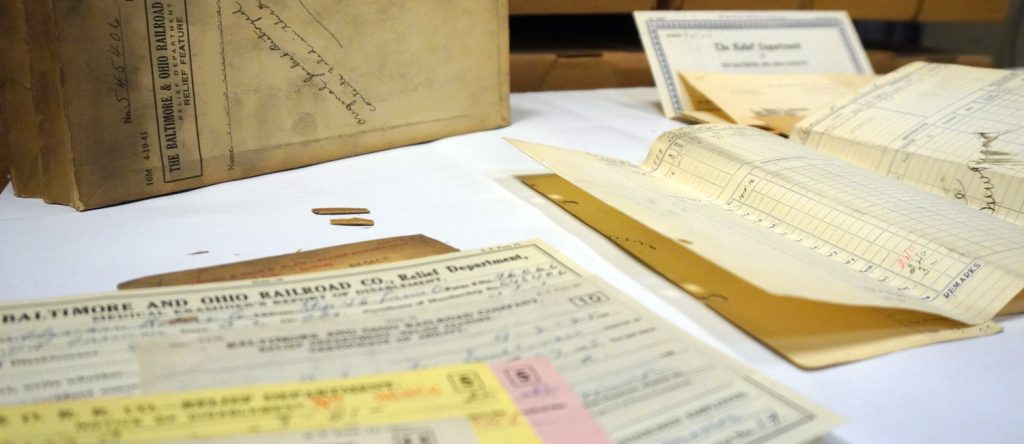
The National Museum of Railroad History & Innovation is pleased to announce the completion of four years of work to process and preserve the records of the B&O Railroad Relief Department Records Collection thanks to funding generously provided by the National Historical Publications and Records Commission (NHPRC) through the National Archives. This project, under the direction of National Museum of Railroad History & Innovation Archivist Anna Kresmer and staffed by a team of dedicated interns and volunteers, including former lead intern Aaron Loux, has preserved a wealth of records documenting nearly 40,000 employees who worked for the B&O Railroad between the years 1880 and 1963.
The B&O Railroad Relief Department, established in 1880, was created in response to the dangerous conditions faced by workers and the widespread railroad strikes of the 1870s, including the Great Railroad Strike of 1877. It became the first employer-managed worker’s compensation and health insurance program in the American railroading industry. The surviving records from the Relief Department are among the earliest examples of medical records for railroad workers, documenting potentially hundreds of thousands of B&O Railroad employees.
Membership in this benefit program was open to any B&O employee who signed up before they reached the age of 45. Thousands of employees from across the B&O Railroad Company participated in the program during its 80+ years of operation, regardless of gender, race, ethnicity, or the perceived danger associated with their specific occupation, resulting in a deep pool of medical data that is more detailed than any other existing collection short of those kept on federal employees. As the B&O Railroad Relief Department was one of the first programs in our nation to provide healthcare and aid benefits to employees injured or killed on the job, this collection documents an important precursor to modern day worker protections including health insurance, workmen’s compensation, and life insurance.
Between 2022 and 2026, the National Museum of Railroad History & Innovation’s archival team processed nearly 40,000 case files, each representing the work of one railroad employee. These files have been cataloged, placed in new acid-free housing, and analyzed to collect demographic data including worker names, birthdates, genders, ethnicities, important dates, positions held at the B&O Railroad, claims submitted, and whether they were rejected or approved. The records include applications, forms, claims, doctor’s evaluations, test results, and correspondence associated with B&O employees who applied for and benefitted from this program between 1896 and 1963. The collection is not complete, containing only those records that have survived to present day, and may not contain records for every employee who applied to or participated in the program during its years of operation.
Due to the great size and complexity of this collection, the Museum has partnered with the Stavros Niarchos Foundation Agora Institute at Johns Hopkins University to explore the possibilities of using artificial intelligence (AI) to improve access to the Relief Records Collection. Since April 2024, this collection has been used to test the capabilities of an original AI database created by Dr. Louis Hyman. Over 25,000 unique scans of documents from this collection have been inputted to test how AI can read historical records, analyze their contents, and compile information and statistics in response to prompts. The result of this work is a searchable database containing photographic images of documents, AI-generated transcriptions, and catalog records linking all relevant records to individual B&O employees. This work is expected to revolutionize the way researchers interact with immense amounts of historical data. The efforts funded by the NHPRC were essential to preparing the relief records for use in this groundbreaking new method for conducting research.
In early 2027, with the opening of a new collections and archives research center at the National Museum of Railroad History & Innovation, this new AI-powered database will be unveiled and made available to researchers for the first time. Researchers interested in accessing these records to investigate their applicability to research projects may apply for access to this database. The records of the Relief Department, accessed through this database, will aid researchers by quickly providing answers regarding topics such as common injuries on the railroad, the diversity of railroad workers, and which claims were most often rejected, among other potential topics. Genealogists and familial descendants will also be able to apply for access to the records of their relatives who participated in the program.
For more information on this important collection, and to learn how to access the records, please send an email to Research@NationalRailroad.org or call 443-627-2375.

More from the archives
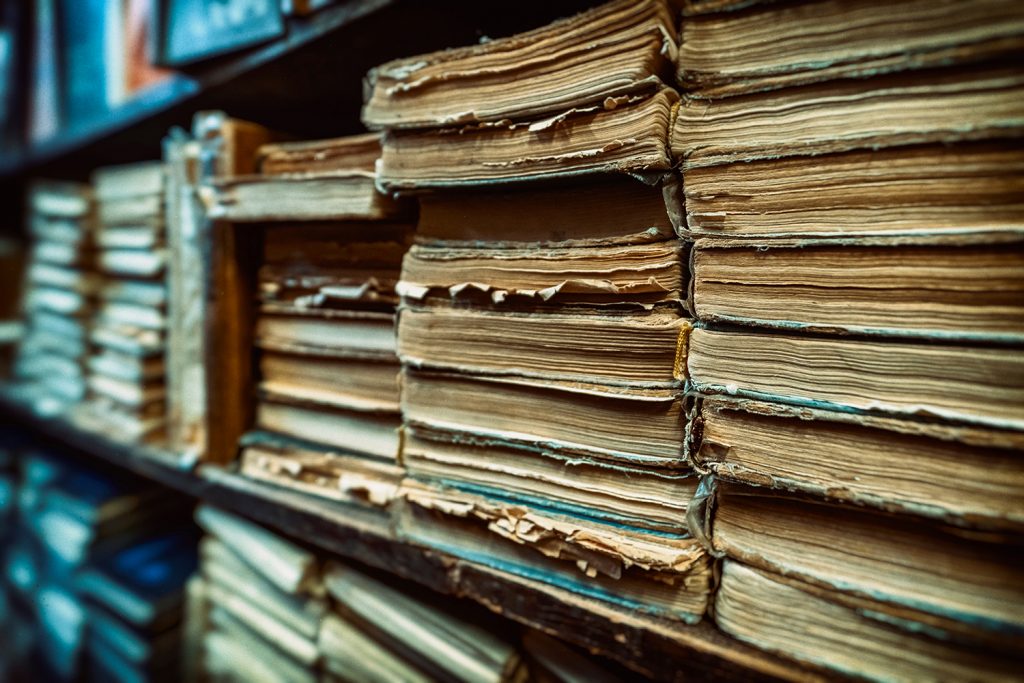
Research
The Hays T. Watkins Research Library is dedicated to the history and preservation of American railroading.
Learn more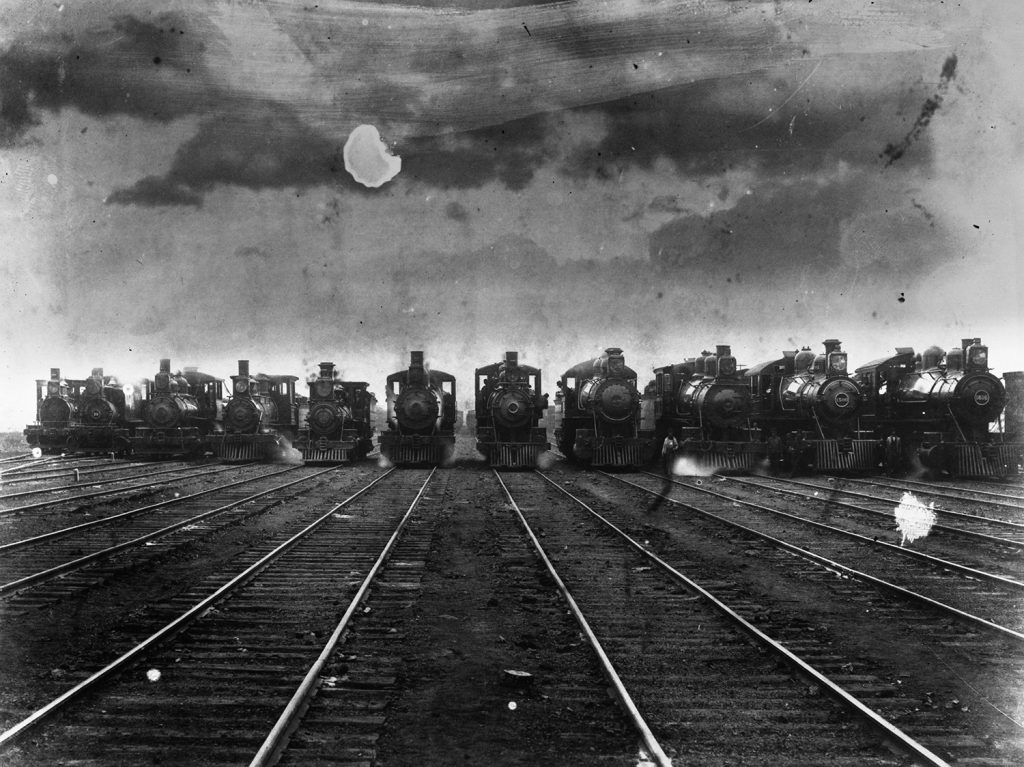
Archives & Library Collections
The National Museum of Railroad History & Innovation’s archives and library are dedicated to the history and preservation of American…
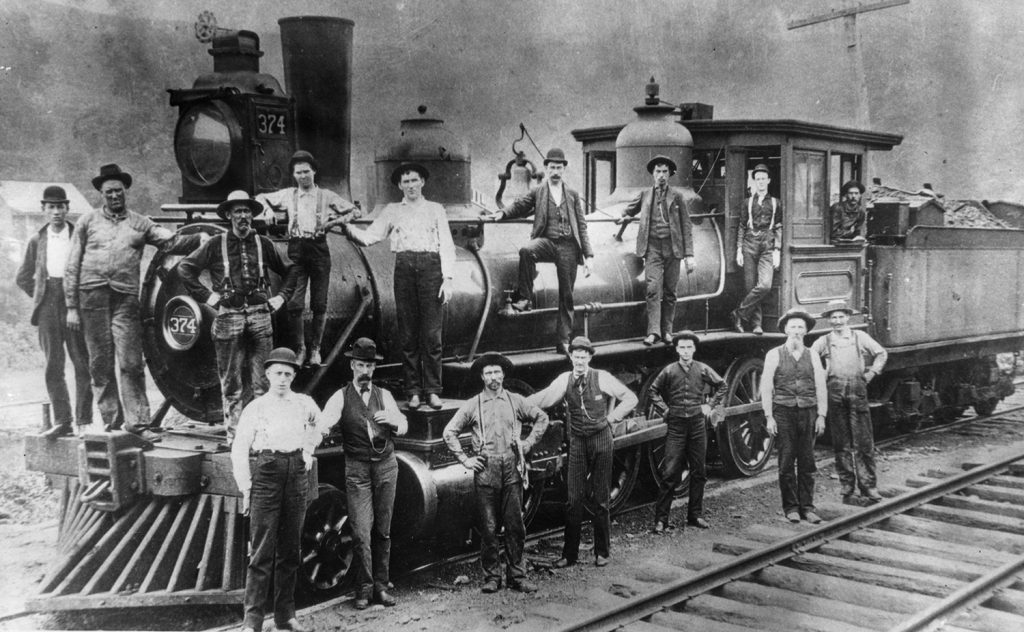
Employee Records Search
Have a relative who worked for the B&O Railroad during the 20th Century? Learn how you can access their records…
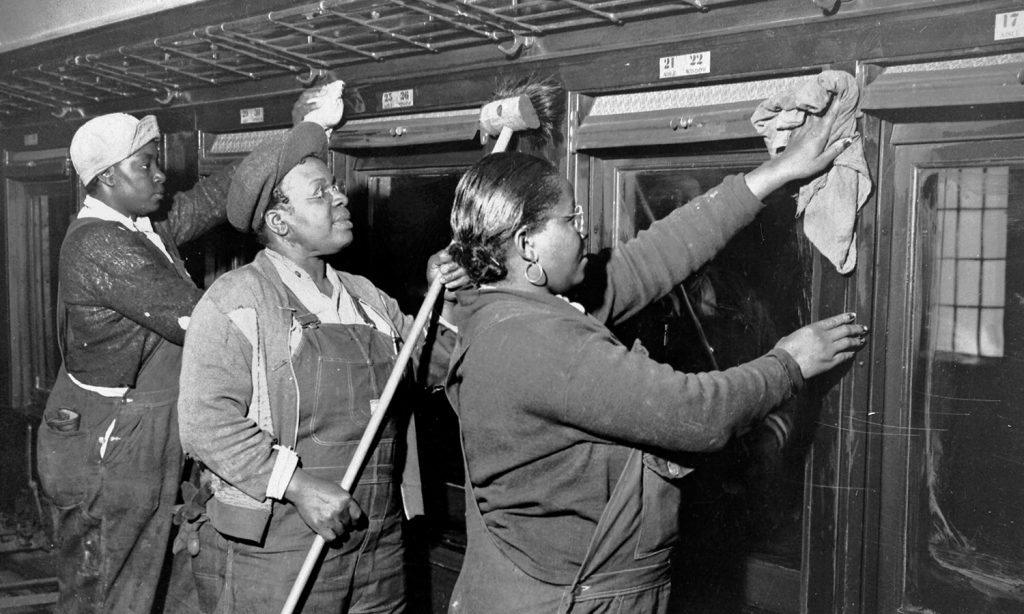
African American Railroading Oral Archives
The African American Railroading Oral Archives, in partnership with Union Baptist Church, collects stories related to the experiences of African…
B&O Railroad Relief Department Collection
The B&O Relief Department Collection contains the records of thousands of B&O employees who participated in the first employer-managed insurance…
Researcher Registration Form
The Library is open to visiting researchers by appointment only. Fill out this form to register.
Research
The Hays T. Watkins Research Library is dedicated to the history and preservation of American railroading.
Learn more
Archives & Library Collections
The National Museum of Railroad History & Innovation’s archives and library are dedicated to the history and preservation of American…
Learn more
Employee Records Search
Have a relative who worked for the B&O Railroad during the 20th Century? Learn how you can access their records…
Learn more
African American Railroading Oral Archives
The African American Railroading Oral Archives, in partnership with Union Baptist Church, collects stories related to the experiences of African…
Learn more
B&O Railroad Relief Department Collection
The B&O Relief Department Collection contains the records of thousands of B&O employees who participated in the first employer-managed insurance…
Learn moreResearcher Registration Form
The Library is open to visiting researchers by appointment only. Fill out this form to register.
Learn more